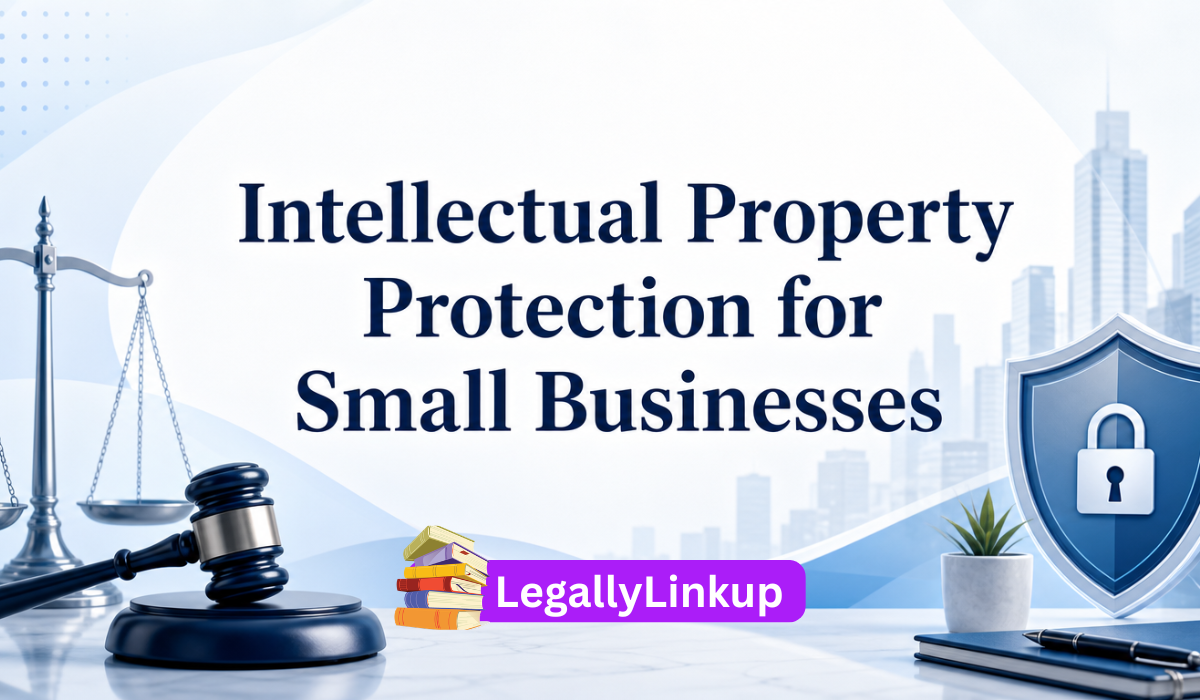
Starting a small business takes creativity, effort, money, and time. Whether you sell handmade products, run an online store, design original artwork, create digital content, develop software, or build a unique brand—your ideas are valuable business assets.
But many small business owners make one costly mistake: they build the business first and think about legal protection later.
By the time they realize someone copied their brand name, logo, product design, website content, or invention, the damage may already be done.
This is where Intellectual Property (IP) protection becomes essential. If you are a startup founder, e-commerce seller, content creator, coach, consultant, designer, or product-based entrepreneur, understanding intellectual property protection can help secure your business from copycats, disputes, and brand misuse.
This guide explains everything small business owners need to know.
What Is Intellectual Property?
Intellectual Property refers to creations of the mind that have commercial or creative value.
Examples include:
- Brand names
- Logos
- Product packaging
- Taglines
- Website content
- Blog articles
- Videos
- Photos
- Designs
- Software code
- Product inventions
- Business systems
These assets may become some of the most valuable parts of your business.
Without protection, others may copy, misuse, or profit from your work.
Why Intellectual Property Matters for Small Businesses
Many entrepreneurs assume IP protection is only for large corporations.
That is a mistake.
Small businesses are often more vulnerable because they may not have the resources to fight expensive disputes later.
Intellectual property protection can help small businesses:
- Protect brand identity
- Build market trust
- Prevent competitors from copying assets
- Increase business valuation
- Create licensing opportunities
- Support expansion and investment
In many businesses, intellectual property can become more valuable than physical inventory.
Main Types of Intellectual Property Protection
The three most common forms of protection are:
- Trademark
- Copyright
- Patent
Each protects different business assets.
1. Trademark Protection
A Trademark protects your brand identity.
This may include:
- Business name
- Brand name
- Product name
- Logo
- Tagline
- Packaging identity
- Symbols
Who Should Consider Trademark Protection?
Trademark protection may be useful for:
- E-commerce businesses
- Handmade product brands
- Consulting businesses
- Bloggers building a brand
- Service providers
- Law firms
- Agencies
- Startups
What Can Be Protected?
Examples:
- Brand Name → Your business identity
- Logo → Your visual branding
- Tagline → Your marketing slogan
Trademark protection helps customers identify your business in the market.
2. Copyright Protection
Copyright protects original creative work.
This may include:
- Website content
- Blog posts
- Product photography
- Marketing graphics
- Videos
- Training courses
- Books
- Music
- Software code
If someone copies your website content or creative material without permission, copyright protection may help support your ownership rights.
Who Should Consider Copyright Protection?
Useful for:
- Bloggers
- Authors
- Designers
- Photographers
- Content creators
- Course creators
- Social media educators
- Software developers
What Does Copyright Protect?
Examples:
- A blog article
- A product catalog design
- Original course videos
- Marketing brochures
- Educational content
Copyright protects original expression—not ideas alone.
3. Patent Protection
A Patent protects inventions and technical innovations.
This may include:
- Machines
- Devices
- Manufacturing methods
- Technical processes
- Product innovations
Patent protection can help prevent others from manufacturing, using, or selling the invention without permission.
Who Should Consider Patent Protection?
Useful for:
- Inventors
- Engineers
- Product designers
- Technology startups
- Manufacturing businesses
- Researchers
Patents are especially relevant for businesses developing something technically new.
How Small Businesses Lose Intellectual Property
Many businesses lose valuable IP because of avoidable mistakes.
Common examples include:
- Someone Registers Your Brand First
- You build your brand online, but someone files a trademark before you.
- Competitors Copy Your Website Content
- Your product descriptions, blogs, or graphics get copied.
- Product Packaging Is Imitated
- Another seller creates confusingly similar branding.
- Employees or Freelancers Own the Content
- Without written agreements, ownership disputes may arise.
- Product Innovation Is Shared Too Early
Disclosing innovations publicly before legal protection may create future complications.
Signs Your Business Needs IP Protection
You should consider intellectual property protection if your business has:
- A unique brand name
- A custom logo
- Original packaging
- Website content
- Educational courses
- Digital products
- Product innovations
- Unique business systems
- Custom designs
If customers recognize your brand, your IP already has value.
How to Protect Intellectual Property in Your Business
1. Secure Your Brand Name Early
Before launching, check:
- Business name availability
- Domain name availability
- Social media usernames
- Existing trademark records
This reduces future conflicts.
2. Document Ownership
Keep records of:
- Logo creation dates
- Product designs
- Marketing materials
- Website content
- Product development notes
Documentation helps prove ownership.
3. Use Contracts
If freelancers, designers, photographers, developers, or agencies create assets for your business, use written agreements.
Contracts should clearly define:
- Ownership rights
- Usage rights
- Payment terms
- Confidentiality obligations
4. Protect Digital Assets
Your business should secure:
- Website content
- Product images
- Brand designs
- Training materials
- Digital downloads
Digital copying is common in online business.
5. Monitor Market Misuse
Search periodically for:
- Similar brand names
- Fake seller accounts
- Copied product listings
- Duplicate content
Early action often prevents bigger disputes.
Can Small Businesses Use Multiple IP Protections?
Yes.
Many businesses benefit from multiple layers of protection.
Example:
A handmade home décor business may use:
Trademark → Brand name and packaging
Copyright → Product photography and website content
Patent → Unique product mechanism (if applicable)
Multiple protections can strengthen your business.
Common IP Mistakes Small Businesses Make
Avoid these common mistakes:
- Launching without checking brand conflicts
- This may create costly rebranding later.
- Assuming domain ownership equals trademark rights
- Owning a website domain does not automatically create trademark protection.
- Posting content without ownership agreements
- Freelancers may retain rights if contracts are unclear.
- Copying competitor branding for inspiration
This may create infringement risks.
Waiting until the business grows
By then, conflicts may already exist.
This portal provides information related to trademarks, patents, and other intellectual property services.
Final Thoughts
For small businesses, intellectual property is not just a legal issue—it is a business strategy.
Your brand, content, designs, and innovations may become some of your most valuable assets over time.
Protecting them early can save years of disputes, financial loss, and brand confusion.
Whether you run an online store, service business, blog, startup, or creative brand, intellectual property protection deserves attention from day one.
Know Your Rights. Protect Your Future. — LegallyLinkUp